Environmentalism can become a driver of pharmaceutical sovereignty for France and Europe
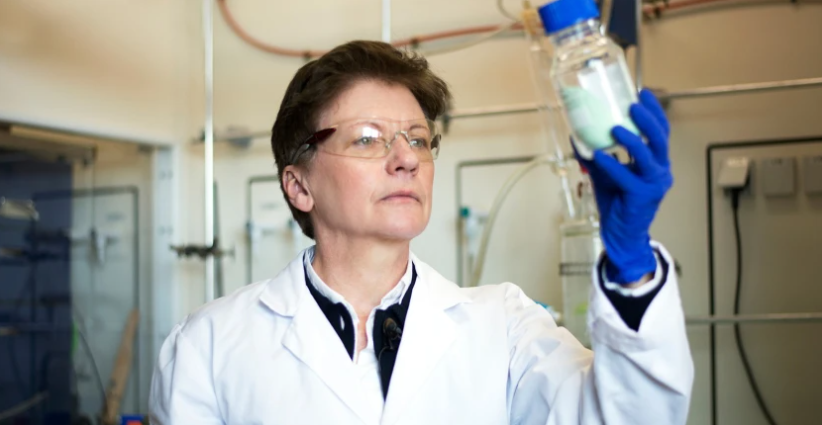
Claude Grison is a professor, a research director at the CNRS, director of the Laboratory of Bio-Inspired Chemistry and Ecological Innovations, a visiting professor at the Collège de France, and a member of the Academy of Sciences

The next pharmaceutical innovation could be one that makes it possible to produce existing molecules using fewer resources, according to Claude Grison, a research director at the CNRS, a visiting professor at the Collège de France, and a member of the Academy of Sciences.
Europe faces a strategic paradox. It is home to several of the world’s largest pharmaceutical companies, yet its production capacity remains vulnerable. In 2024, the Directorate General for Health identified 450 molecules essential to our healthcare, 150 of which were classified as critical by Bpifrance. We depend on
particularly from factories located in India, where production costs and environmental requirements are often lower than ours.
This dependence is not inevitable. The next pharmaceutical innovation may not be the discovery of a new molecule, but rather a way to produce existing molecules using fewer resources, fewer steps, and with less waste. By focusing on science and more efficient processes, we can bring the production of essential medicines back home without sacrificing our competitiveness or our environmental standards.
Opinion
, November 6, 2026