Our Research Topics
Background
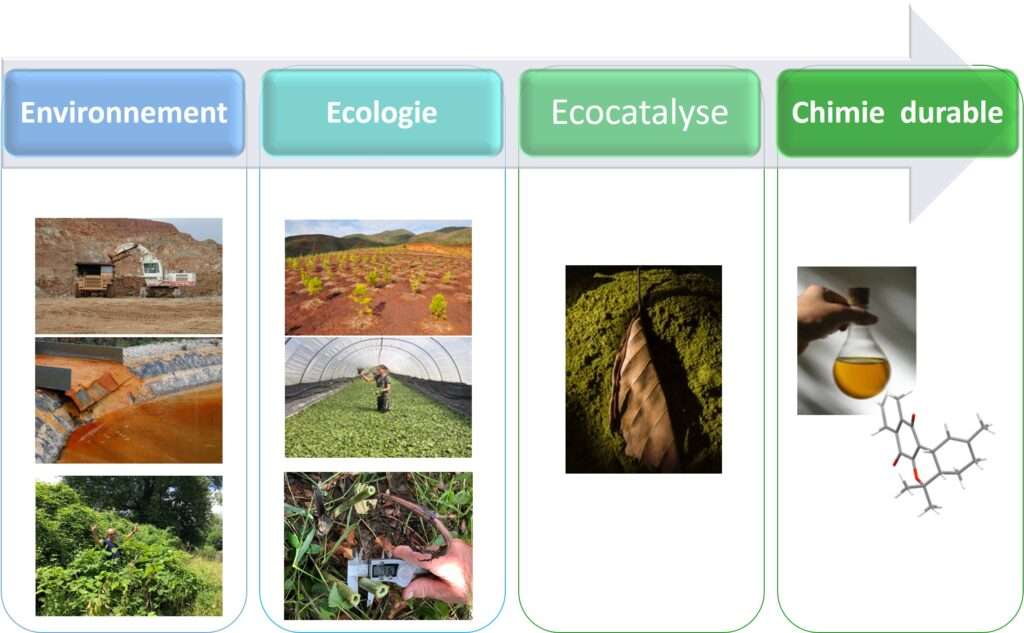
In a rapidly changing world, the search for eco-friendly solutions to environmental challenges is essential. In light of the conclusions of COP 15 on Biodiversity, the unit chose to demonstrate that researchers are capable not only of reflecting on but also of taking action against the loss of biodiversity. ChimEco’s research activities are based on the recent IPBES report, particularly the key factors responsible for the collapse of biodiversity:
1. Land-use change
2. Climate Change
3. Overuse of natural resources
4. Pollution
5. Invasive Alien Species
These include the main issues related to soil and aquatic pollution, as well as the spread of exotic plant and animal species.
Strategies
The solutions under study are inspired by “Nature-Based Solutions.” They therefore fall within the realm of global ecology and are based on research into phytotechnologies that can protect, conserve, or even restore degraded ecosystems, with clear operational objectives implemented on the ground and on a large scale. These phytotechnologies include phytoremediation (phytoextraction, rhizofiltration), plant physicochemistry (biosorption), and environmentally responsible management of invasive alien species.
A better understanding of the plant species studied revealed a common feature: they all possess an unusual mineral composition, which served as the starting point for a new concept created by ChimEco—ecocatalysis. This first entirely bio-based mineral catalysis has added an economic dimension to ecological solutions. Interdisciplinarity, as we envision it, thus leads to scientific innovations that are brought, through unity, into the socioeconomic sphere.

Pollution of Terrestrial Ecosystems
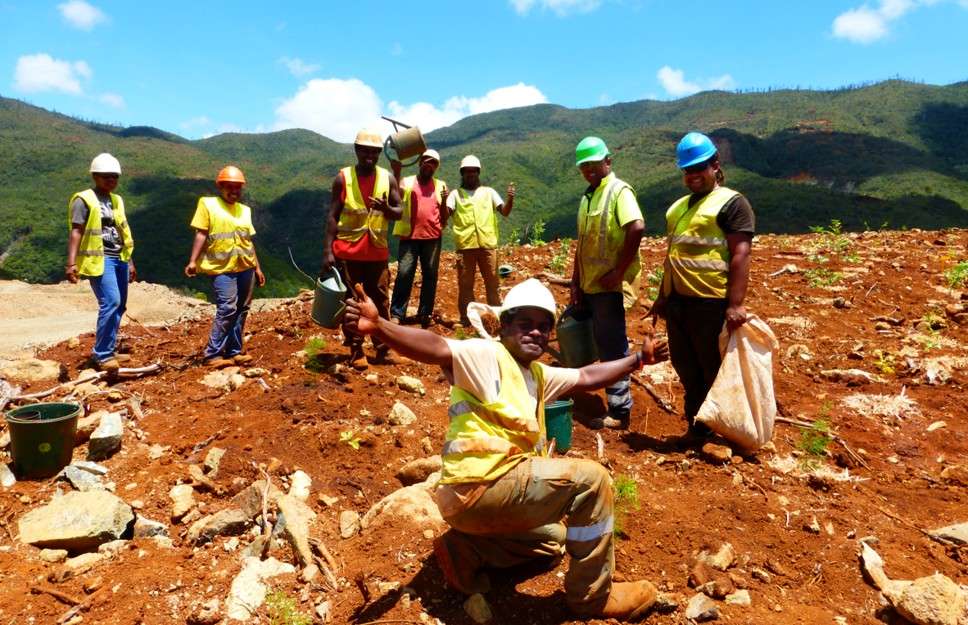
A large-scale, internationally recognized ecological restoration program. New Caledonia is a prime example of this. 6 hectares of restoration based on the use of endemic species:
- Development of Pioneer Species
- Planting Suitable Legumes
- Increase in local biodiversity
Pollution of Aquatic Ecosystems
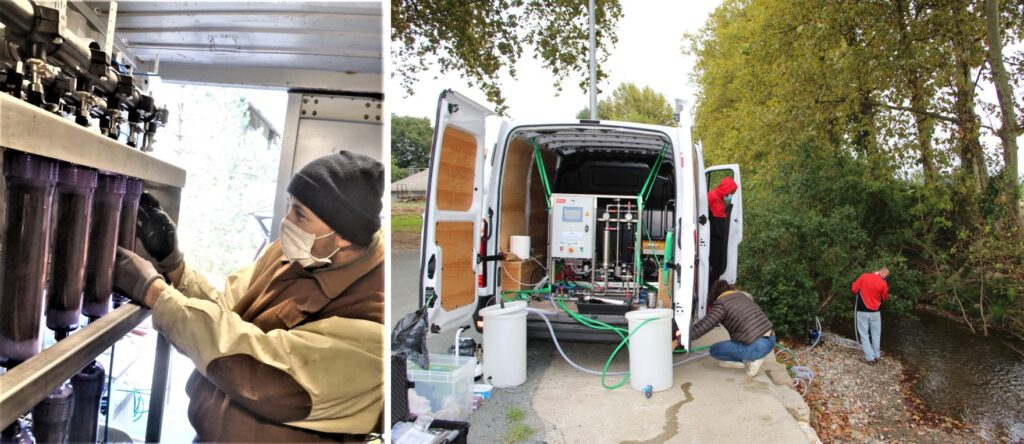
Environmentally friendly treatment of industrial effluents is achieved using plant filters through rhizofiltration or biosorption processes. These two phytotechnologies are based on an understanding of the molecular structure of the selected plant species. These methodologies have been validated in the field and under real-world conditions, in both batch and continuous modes. Furthermore, they provide a pathway to the recycling of strategic metals such as palladium, platinum, rhodium, and rare earth elements.
Invasive Alien Plant Species
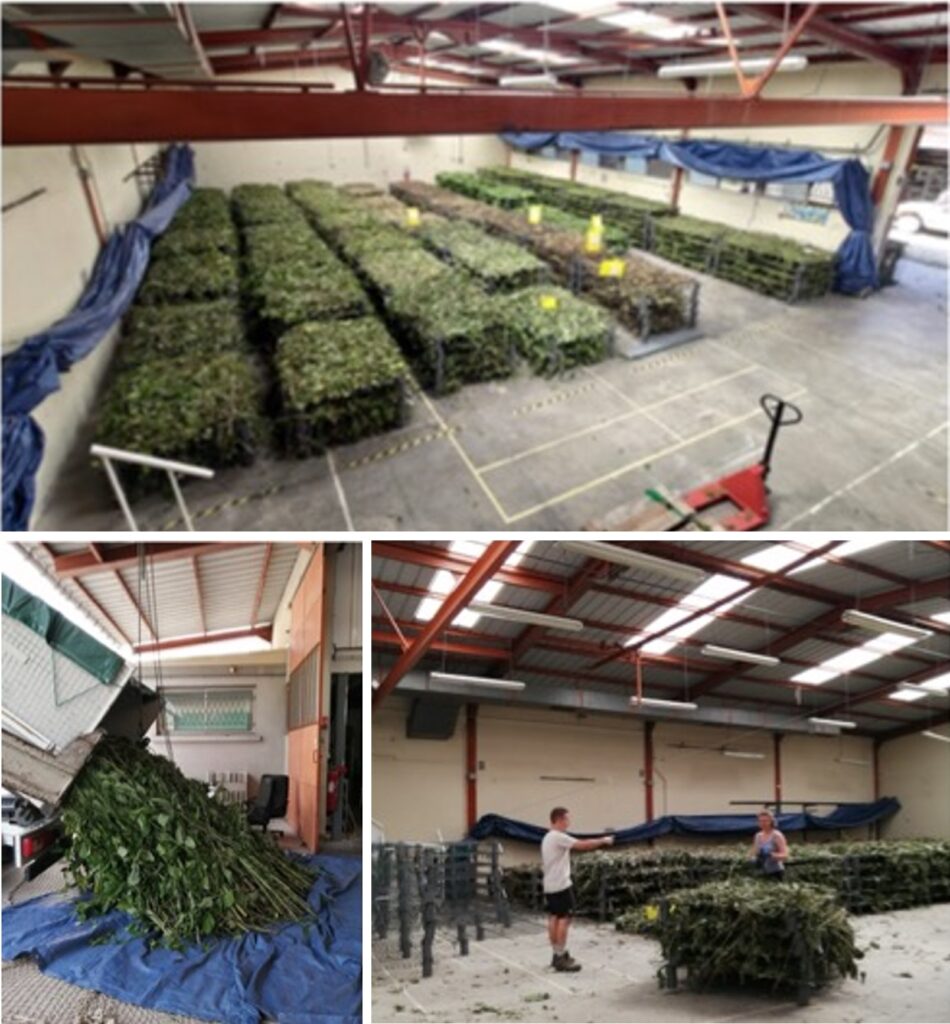
A prime example is Fallopia japonica, one of the world’s 100 most harmful invasive species according tothe IUCN. ChimEco offers an eco-responsible management approach based on:
- Regulations Governing the Field
- A life cycle assessment that takes into account the health of the ecosystem after intervention
- A novel approach to recycling waste that can support long-term management efforts
Invasive Alien Animal Species
Aedes albopictus, or the tiger mosquito, is an invasive alien species native to Southeast Asia and is sometimes a vector for viruses such as dengue, chikungunya, and Zika. Several mosquito repellents are already available on the market but have only moderate effectiveness against Aedes albopictus. Research by ChimEco has led to the commercialization of ECO-Guaranteed repellents, designed to account for the complexity of mosquito receptors. The product is 100% natural and bio-inspired, and its effectiveness has been scientifically proven and patented.
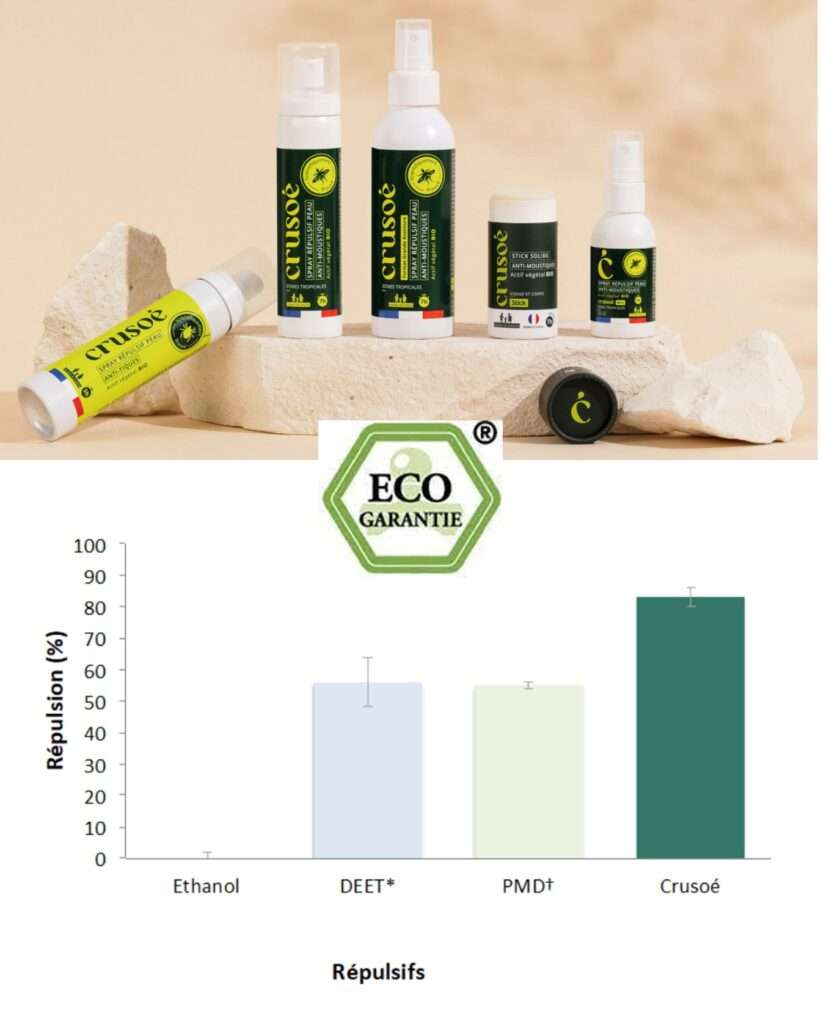
(Vectopôle Sud de Montpellier, WHO Collaborating Center / * ED50: 110 mg/m² † ED50: 200mg/m²)
Ecocatalysis
ChimEco is convinced that nature-based solutions represent an economically viable and sustainable alternative thanks to innovative chemistry.Ecocatalysis represents a scientific breakthrough—a new field of research that offers a completely reimagined approach to synthetic chemistry:
- Suitable for all major chemical mechanisms (acid, base, oxidative, and reductive catalysis; cross-coupling reactions)
- Environmental indicators calculated and optimized across the entire value chain
- Bio-inspired and bio-based
- Designed for the long term and based on a symbiotic and/or regenerative economy