Sustainable Development Uncovered
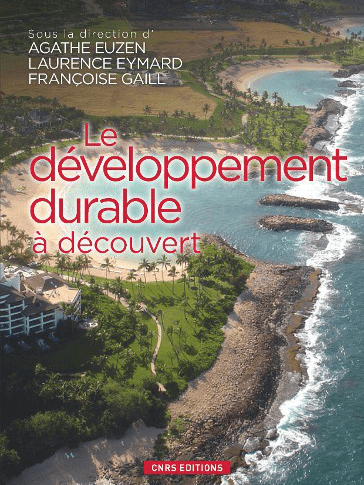
Twenty years after the first Rio Conference, what has become of the proposal to steer our societies toward sustainable development? Adopted by some, used as a talking point by others, this concept of sustainable development is often stripped of its meaning. Yet the exponential impact of human activities on natural resources, public health, and the environment demands that we clarify exactly what it means. What does sustainable development mean today? What about the availability of resources and how we use them? In the areas of water, climate, soil, and biodiversity? In rural areas, along coastlines, or in urban settings—where the majority of the population will live by 2050—how do our consumption patterns change over time across different regions? What impacts do human activities have on resources, on people’s health, and on the environment itself? Do the relationships between humanity and the environment need to change? These are just some of the questions posed to scientists who shed light on the complexity of interactions between systems and propose solutions for the long-term future. From our ecosystems to our consumption patterns, from natural hazards to new technologies and pollution, from the factories of the future to waste management, *Sustainable Development Unveiled* informs, explains, and shares everything that current science can contribute to the major challenge of the 21st century: how to better understand the complexity of the issues that concern us all and ensure humanity’s development without destroying its habitat. Economists, physicists, sociologists, agronomists, ecologists… more than 150 researchers have come together to combine their expertise with their critical perspective and—with the help of illustrations and diagrams—describe, understand, model, and envision the tools needed to build the equitable societies of tomorrow. A reference work for building an equitable and sustainable society in the 21st century.
Authors: Agathe Euzen, Laurence Eymard, Françoise Gaill, Claude Grison
CNRS Editions
September 12, 2013
Link to the book